⚠️ なぜ海外で戦争が起こると韓国の物価が上がるのか
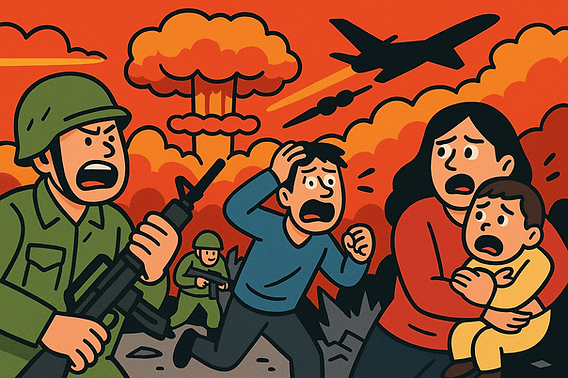
📝 3行まとめ
-
戦争によって原材料、エネルギー、輸送、為替のコストが上がり、韓国の輸入品価格が上昇する。
-
サプライチェーンの混乱や不安心理が短期的な物価高騰を引き起こす。
-
政府支出の増加、労働コストの上昇、高齢化などの構造的要因もインフレを促進する。
🇰🇷💥 なぜ海外で戦争が起こると韓国の物価が上がるのか?
最近のニュースで「中東情勢の緊張で原油価格が高騰」「ウクライナ戦争の影響で穀物価格が急騰」なんて見たことあるよね。遠い国の話に聞こえるかもしれないけど、実はこうした戦争は韓国の生活費に直撃するんだ。戦争がいくら遠くで起きても、韓国の物価には即座に影響を及ぼす可能性があるんだよ。
韓国は貿易への依存度が非常に高い国だ。石油、ガス、穀物、鉱物といった原材料をほとんど輸入に頼っていて、経済は輸出で成り立っている。だからどこかで戦争が起きると、その影響がドミノのように経済全体に波及して、フライドチキンからパン、ガソリンまであらゆるものの価格を押し上げるんだ。ここからもう少し詳しく説明しよう。
📈 戦争で原材料・エネルギー価格が急騰する
これは物価が上がる最もわかりやすい理由だ。戦争が起きると、その地域での生産や輸出が止まったり不安定になったりする。特に産油国や「世界の穀倉地帯」で戦争が起きると影響は大きい。石油、ガス、小麦などが世界市場で不足して価格が一気に上がるんだ。
ロシア・ウクライナ戦争を覚えている?
ロシアは世界第2位の産油国で、ヨーロッパへの主要なガス供給国だ。戦争が始まって西側の制裁がかかると供給が急減した。2022年初頭には原油価格が1バレルあたり120ドルを超えた。これは過去10年平均の50〜70ドルのほぼ2倍だ。天然ガス価格も特にヨーロッパで急騰した。
ウクライナは世界有数の穀物輸出国だ。戦争で小麦やトウモロコシの輸送ルートが閉ざされ、穀物価格が高騰した。韓国はこうしたものをすべて輸入しているので、電気代、ガス代、インスタントラーメンやパンの価格まで軒並み上がったんだ。
🚢📦 サプライチェーンの混乱と物流コストの上昇
単に価格が上がるだけじゃなく、「そもそもモノが入ってこない」ことも起こる。戦争で航路が封鎖されたり危険になったりして、企業は代替ルートや新しい取引先を探すのにコストが増大する。それが供給網のボトルネックを生み出し、国内の生産コストを押し上げるんだ。
実際、2022〜2023年のロシア・ウクライナ戦争の際、SamsungやHyundaiといった韓国の大手企業も部品供給の遅延や物流費の上昇に直面した。韓国貿易協会の調査では、輸出企業の80%以上が供給網の混乱によって輸送費の急騰、在庫負担、納期遅延を経験したと報告している。
💸💱 通貨安で輸入品が高くなる
戦争が起こると投資家は不安になって「安全資産」である米ドルを買いに走る。ドル需要が増えるとドル高・ウォン安になる。これが「為替レートが上がる」ということだ。
韓国はほとんどの輸入品をドルで決済するから、ウォンが安くなると石油、穀物、電子部品などを仕入れるコストが上がる。そのコストは最終的に韓国の消費者にそのまま転嫁されるんだ。
例えばロシア・ウクライナ戦争後、一時ウォン・ドル為替レートは1ドル=1440ウォン台まで上昇した。為替が悪化すると輸入する石油、穀物、部品がその分高くなり、国内の物価をさらに押し上げる。
🚚📦 物流不安と買いだめ心理を引き起こす
戦争は物流コストを上げるだけじゃなく、物流自体を不安定にする。港が閉鎖されたりルートを変更しなければならなくなる。リスクが増えるので保険料も上がり、結果としてコストがさらに増す。
また、人々が不安になって生活必需品を買いだめし始める。インスタントラーメンやトイレットペーパーみたいなものね。こうしたパニック買いが短期的にさらに物価を押し上げる。
例えば中東で戦争が起きると、原油供給への不安が物流コストを上げ、製油所の稼働率も下がって石油製品の価格が高騰する。1973年の第一次オイルショックでは、OPECが輸出制限を課して世界的に価格が暴騰。石油依存度が高い韓国では1974年に物価が前年より24%も上昇したという記録がある。
🏦💰 政府支出拡大と通貨供給の増加
戦時中は政府が防衛費や緊急支援により多くのお金を使う。国家の安全を守るのが最優先だからだ。そのため国債を発行して中央銀行に買わせ、通貨供給を増やすことがよく起こる。
お金が世の中にたくさん出回ると、同じモノを買うのにみんながお金を使いたがるようになり、結果的に価格が上がる。つまりインフレーションだ。
例えば1950〜1953年の朝鮮戦争中、韓国政府は軍事費を賄うために大量に紙幣を発行した。その結果、消費者物価は毎年倍増するような激しいインフレを経験した。戦争が終わった後も物価が落ち着くまでには時間がかかった。
🧓 少子高齢化と人件費の上昇
そして韓国では構造的な理由でも物価が上がりやすい。人口が高齢化し、働き手が減っているので人件費が上昇しているんだ。
戦争でサプライチェーンが乱れると、こうした国内要因と重なって物価上昇圧力がさらに強まる。たとえば農村では労働力不足で農産物価格が上がるし、人件費も上がり続けている。そこに海外の戦争で原材料費や物流費が急騰すると、国内の物価全体が一層上がってしまうんだ。
📌 まとめると:
海外で戦争が起こると韓国の物価が上がるのは、こうした複数の要因が同時に重なるからだ。
-
輸入する原材料やエネルギーが高くなる。
-
サプライチェーンが混乱して生産コストや流通コストが上がる。
-
為替が悪化して輸入品が高くなる。
-
物流の混乱や不安心理による買いだめで短期的に物価がさらに上がる。
-
政府の戦費支出で通貨供給が増えインフレを加速させる。
-
韓国特有の人件費上昇、少子高齢化といった構造的な物価上昇要因もある。
最終的に、生活全般のコストが全面的に上がってしまうんだ。
🌍 一言で言うと
「戦争や制裁といった国際的リスクは“他人事”じゃなく、私たちの買い物カゴの価格にそのまま反映される問題だ。」
貿易依存度が高い韓国にとって、サプライチェーンリスク管理は本当に生存戦略だと思う。長期的にはエネルギー源の多様化や原材料輸入先の分散などの対策が必要だ。要するに、一つのルートがダメになっても他で補えるように選択肢を増やすのが最善の方法なんだ。
🤯「これ本当にできるの?」...Toss(日本のPayPayに似た韓国のアプリ)、ついに顔で決済可能に!
Hello. I'm an ordinary Korean man in his mid-twenties who loves Japan and writes a business column. I'd be happy to talk to you about Korean trends, business, and culture. I'm currently studying Japanese hard using ChatGPT and Duolingo. I look forward to working with you.
👉3 -line summary of the article!
- Toss is looking to enter the offline payments market through Face Pay , which allows payments to be completed simply by showing your face.
- The technology emphasizes security and convenience while also aiming to expand Toss' ecosystem and secure user data .
- However, there are challenges, such as the sensitivity of facial information , the possibility of technical errors , and social acceptability .
🧠 Will Toss' "Face Pay" revolutionize South Korea's payments system?
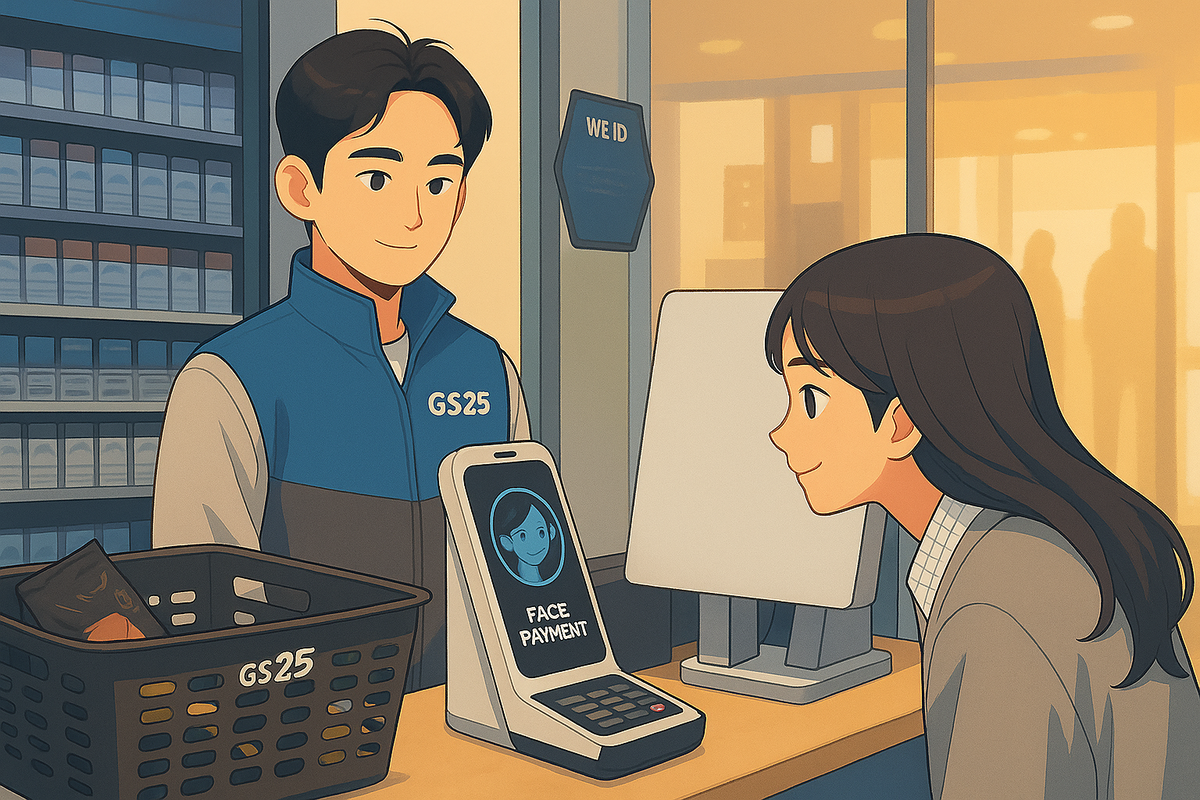
There's no need to search your pockets or take out your smartphone at a convenience store anymore, and you don't even need a QR code or fingerprint authentication. Toss Face Pay is a system that allows you to complete payments by scanning your face once . In other words, the time has come when your face itself will become your wallet.
"That sounds super convenient!" you might think. But behind that lies a bigger vision for Toss to take control of finance, technology, and user data all in one place .
👁️ Your face on your wallet? What is Toss Face Pay?
In a word, it is a payment system that allows you to pay with your face . Once you have registered your face information in the Toss app, you can complete the payment by simply saying "Face Pay, please" at convenience stores such as CU, GS25, and 7-Eleven , and showing your face.
No fingerprints, cards or QR codes are required. All you need is your face.
Toss boasts face recognition within one second and 99.99% accuracy , so it's fast enough. However, you may be wondering, "Is it really safe?"
🔐 Toss, is this really safe? Can I trust you?
The most important thing about Face Pay is security and reliability .
Once face information is leaked, it cannot be restored, so Toss has implemented four safety features:
- 3D Face Recognition – No photos or videos work, only real 3D human faces.
- Motion detection – Checks blinking and facial expression changes in real time. Still images are not enough.
- Automatically detect unusual payments – If you behave in a way that is out of the ordinary, you will be asked to confirm whether the payment should be blocked.
- Facial information is anonymous and encrypted – it is stored securely in a form that makes it impossible to identify whose face it is, minimizing the risk of it being leaked.
In other words, even if you bring a photo, it will never be accepted, and you will be protected from anyone trying to copy your face.
🚀 5 Reasons Why You Might Be Asking "But Why Did I Make This?"
Toss developed Face Pay not just as a tech boast, but with a clear market strategy :
✔Reason 1. Entering the offline payment market
→ Toss was originally strong in online finance. Offline payments were already dominated by Kakao Pay and Naver Pay. Therefore, they aimed to break through with a completely new payment method: face recognition .
✔Reason 2. Gain market share through device penetration
→ Can only be used at stores that have the dedicated device "Toss Front" installed. As of February 2025, it has been installed in over 100,000 stores, and currently has over 135,000 stores. The more it penetrates, the more stores will be involved in the Toss ecosystem.
✔Reason 3. User retention strategy
→ It's so convenient that once you start using it, you won't be able to go back. By eliminating the need to take out your card or smartphone, your life will naturally revolve around Toss .
✔Reason 4. Strengthening the brand through trusted security
→ Since it handles sensitive data such as facial information, the perception that "Toss = safety" increases brand value.
✔Reason 5. Foundation for service expansion
→ Currently it is limited to payments at convenience stores, but in the future it can be expanded to general identity authentication at unmanned stores, station ticket gates, airport gates, hotel check-ins, etc.
💡 But there are challenges...
- The risk of face information leaking is irreversible
- Possibility of misidentification due to twins or plastic surgery
- High hurdles for rural areas and elderly people (currently mainly in cities)
- Psychological resistance to "paying with your face" cannot be ignored
Toss is not trying to expand all at once either. It is following a mid- to long-term strategy of first gaining trust and then gradually expanding its infrastructure .
🔥 It's not just Toss, the competition is just beginning
Since the launch of Face Pay, Naver, Shinhan Card, KB Kookmin Card and others have also started investing in facial recognition payments . There is a high possibility that a "face payment leadership battle" will begin.
🎯 The key to success is the amount of data
Data obtained through payments is the very essence of users' lives:
- Eating a sandwich at a convenience store in the morning → Knowing your work schedule and health-consciousness
- Going to the movies every weekend → Understanding hobbies and lifestyles
- Cup ramen at 11pm → Analysis of night-time lifestyle and eating habits
Based on this, ultra-personalized services such as insurance, investments, loans, and coupons will become possible. Those with the most data will control the market .
📌 Part of the global payment market trend
Toss's Face Pay is not just a "convenient feature." It is a movement to reconstruct the future of financial infrastructure with "face = identity authentication key . " The same trend is occurring around the world, such as Alipay
in China and Amazon Go in the United States.
✍️ Today's summary:
"Toss is targeting the offline financial market itself with facial recognition payments."
One day, it may become commonplace to simply hold your face up to a convenience store and have your payment completed. It will be interesting to see if Toss can be at the center of this.
